

What Kind Of Training Equipment Is Needed For Field Hockey?
Training in field hockey involves many different approaches. That includes physical conditioning, developing skills, tactical understanding, and, of course, teamwork.
When it comes to physical conditioning, cardiovascular endurance is important. Players need to have good stamina to maintain their performance throughout the game. Strength training is also important, particularly exercises targeting muscles used in field hockey, such as legs, core, arms, and shoulders.
You will also need to have exceptional speed and agility. Players work on their speed, agility, and quickness through drills and exercises tailored to field hockey movements.
What types of skills will you need to develop?
Practising dribbling, passing, receiving, and shooting with precision and control. You will also need to learn proper techniques for tackling opponents and defending the goal. If you’re a goalkeeper you will need to undergo specialised training for blocking shots, positioning, and distribution.
Whichever position you might be playing in, cricket-hockey supplies a wide range of quality training equipment.
A tactical understanding is also vital. You must have an understanding where to be on the field in different situations, both offensively and defensively. You will need to learn various offensive and defensive strategies, such as pressing, counter-attacks, and set plays (like penalty corners).
As with most sports, you will also need to learn to make speedy decisions. Developing the ability to make quick and effective decisions based on the flow of the game and the actions of opponents.
Since hockey is a team sport, training will involve team drills. This includes those to improve coordination, passing combinations, and understanding of each other's playing styles Emphasising effective communication on the field to coordinate movements, call for passes, and alert teammates to opponents' positions.
What type of equipment is required for training?
Field hockey training requires several types of equipment to ensure players can develop their skills effectively and safely. Here's a list of essential equipment for field hockey training:
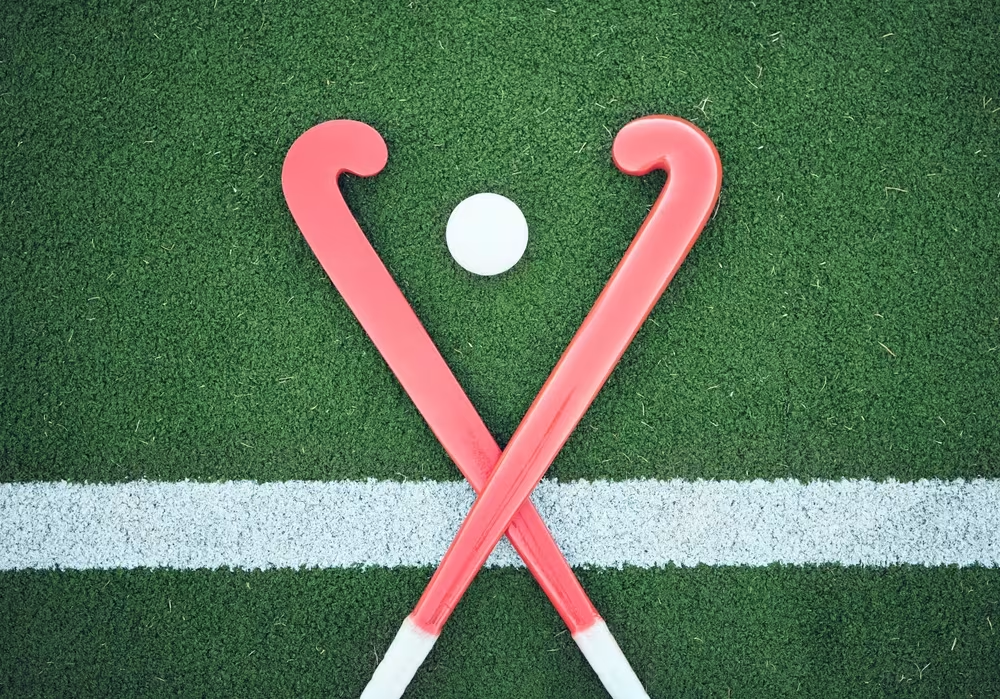
The most obvious and crucial is a high quality hockey stick. You need to choose a stick that suits your position and playing style. There are different stick lengths and compositions for attackers, midfielders, and defenders. Whichever level you might be at, cricket-hockey has an extension choice of hockey sticks to choose from.

Next up, is the balls. A field hockey ball, typically made of hard plastic, should be suitable for practising dribbling, passing, shooting, and other skills.
You will also need equipment that help keep you safe, including:
- Shin Guards. These are essential for protecting the shins from impacts, especially during gameplay. Generally, shin guards should be lightweight and offer adequate protection.
- Mouthguards to protect the teeth, tongue, lips, and jaw during collisions or impacts with the ball or other players.
- Gloves. Many players prefer to wear gloves to protect their hands and improve grip on the stick.
Goalkeepers require extra protective gear, including a helmet, throat protector, chest protector, leg guards, kickers and gloves. They will also need goal posts and nets for shooting and goalkeeper training.
What type of footwear is best for field hockey?
Field hockey is usually played on grass or turf, so appropriate footwear with good traction is necessary to prevent slipping and provide agility.
Other equipment that’s useful during training is cones for marking boundaries, setting up drills, and improving agility and footwork. Training bibs can also come in handy. Different coloured bibs can be used to divide players into teams during training exercises and scrimmages.
Some like to use an agility ladder to help improve foot speed, coordination and agility through various drills.
Don’t forget to stay hydrated!
Having bottles of water is vital during training sessions, especially during summer. It’s essential for performance and safety. You should also have a first aid kit to hand in case of any minor injuries or accidents.
Optional equipment such as rebound boards, passing arcs, and ball machines can aid skill development in specific areas. Whistles can be used by coaches or referees to signal the start and end of drills, as well as to indicate fouls or infractions.
Other tips for picking the right training equipment.
Remember that specific needs may vary depending on the level of play, coaching philosophy, and training objectives. Simulating game scenarios in training sessions to help players apply their skills and tactics in a realistic setting.
Scrimmages against other teams or within the squad to test strategies, evaluate player performance, and make adjustments. Nowadays, reviewing footage of games and training sessions to analyse individual and team performance, identify areas for improvement, and understand opponents' strategies.
Like all team sports, it requires dedication, discipline, and teamwork to excel.
If you’re looking to order field hockey training equipment, check out our latest range today. Or don’t hesitate to contact us for more details.

