

Best Low-Profile Hockey Mouthguards That Won't Feel Bulky

The least bulky hockey mouthguards for matches are single-layer, boil-and-bite designs that you fit yourself and trim close to the back molars, rather than thick double-layer guards or strapped models built for goalkeepers. Bulk is almost always a fit problem, not a material problem: a well-moulded thin guard sits flush against the teeth and gum line and stops feeling like it's there within a few minutes of play, while a poorly fitted one, however thin on paper, rocks around and feels enormous.
Why some mouthguards feel bulky and others don't
Most complaints we hear about bulky mouthguards aren't really about thickness, they're about excess material. A guard cut too long at the back catches on the cheek and tongue, and one that hasn't been boiled and bitten properly leaves an air gap that the tongue keeps finding. Both make a guard feel twice the size it actually is.
The fix is nearly always fit, not a different product:
- Boil the guard for the time stated on the pack, no longer, and bite down hard and hold for the full count so it thins out and moulds tightly.
- Trim any material that overhangs behind the last molar. This is the single biggest cause of a guard feeling bulky at the back of the mouth.
- Check for a smooth palate side. If it's ridged or pooled with extra material, reboil and re-bite rather than trimming, or the shape will be uneven.
Single-layer vs double-layer
Single-layer boil-and-bite guards are the standard choice for outfield players wanting minimum bulk in matches, and they meet the protective needs of field hockey perfectly well when fitted properly. Double-layer guards exist mainly for goalkeepers and younger players who bite through a single layer quickly, and they will always feel thicker in the mouth simply because there's more material.
Strapped or strapless
A strap tethering the mouthguard to a facemask is sensible for goalkeepers, where losing the guard mid-save is a real risk, but for outfield players it's an unnecessary bit of hardware that adds to the feeling of bulk. If you're already wearing a facemask, such as our TK 3 Players Face Mask (2026/27), a strapless low-profile guard is the better match.
Junior vs senior sizing
Junior mouthguards are moulded on a smaller shell to suit a narrower jaw and mixed adult/baby teeth, and they're the right starting point for most players under about 11. Trying to make a senior guard fit a smaller mouth by trimming it aggressively tends to leave it loose rather than genuinely small, and a loose guard is what feels bulky and keeps needing repositioning during a match, which is far more distracting than a slightly firm-fitting junior guard.
What to expect to pay
Mouthguards sit at the affordable end of our range: the simplest boil-and-bite options in our Hockey Mouthguards category start from around £3, with better-ventilated and double-layer versions moving up from there. Given how directly fit affects comfort, we'd always point a shopper towards spending on getting the sizing and boiling process right rather than assuming a higher price automatically means a lower-profile fit in the mouth.
Fitting checklist for match day
- Boil to the exact time stated, not longer, then bite down immediately and hold firmly.
- Use your tongue to press the guard against the roof of the mouth and front teeth while it cools, for an even seal.
- Trim overhang behind the molars once cooled, a little at a time.
- Rinse and store in a vented case, never in a closed bag, so it keeps its shape between matches.
- Refit (reboil) once if the first attempt feels loose. Most boil-and-bite guards can be reheated once or twice before the material degrades.
Take a look through our Hockey Mouthguards range for junior and senior boil-and-bite options, and pair one with a facemask from our Hockey Facemasks category if you play a position where stick and ball contact to the face is a regular risk.
Veelgestelde vragen
Does a low-profile mouthguard protect as well as a thicker one?
Should juniors and seniors buy different mouthguards?
How do I stop a boil-and-bite mouthguard feeling thick at the back?
Do I need a strapped mouthguard if I wear a facemask?
How often should a match mouthguard be replaced?
Gerelateerde artikelen
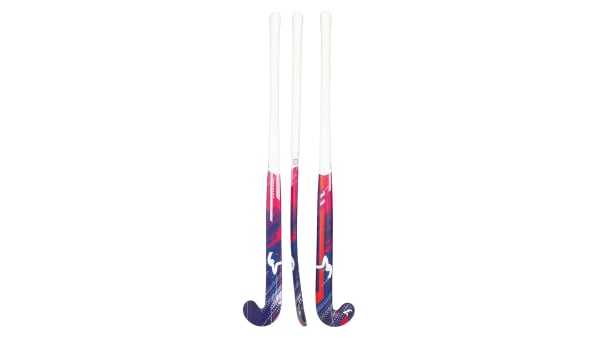 Best Kookaburra Hockey Sticks 2026 | Cricket-Hockey.com
Our 2026 guide covers the best Kookaburra hockey sticks from £30 to £256, helping juniors, club players and elite athletes find the right...
Best Kookaburra Hockey Sticks 2026 | Cricket-Hockey.com
Our 2026 guide covers the best Kookaburra hockey sticks from £30 to £256, helping juniors, club players and elite athletes find the right...
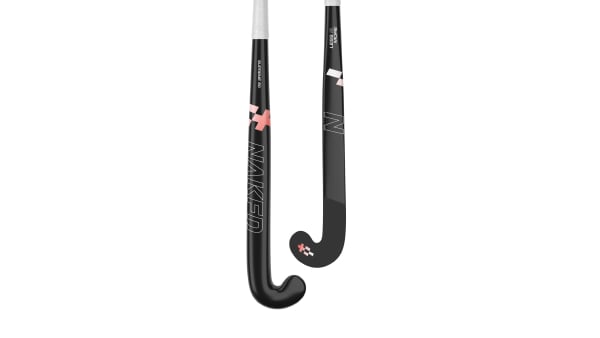 Naked Hockey Sticks 2026/27: The Complete Buyer's Guide
The complete Naked Hockey 2026/27 stick range is now in stock, with 21 models from £35.70 to £289.00, all currently on offer.
Naked Hockey Sticks 2026/27: The Complete Buyer's Guide
The complete Naked Hockey 2026/27 stick range is now in stock, with 21 models from £35.70 to £289.00, all currently on offer.
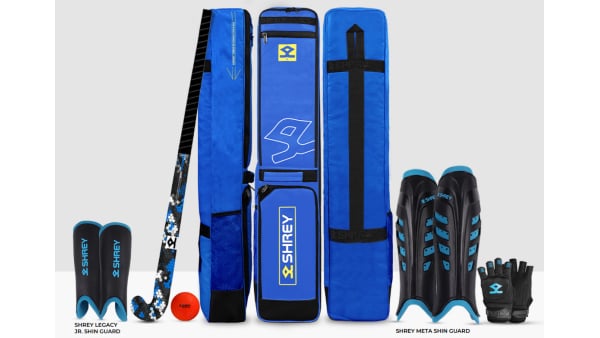 Best Hockey Goalkeeping Kit for Club Players: A Buying Guide
The best club-level hockey goalkeeping kit balances protection, mobility and durability: mid-range leg guards, kickers, a certified...
Best Hockey Goalkeeping Kit for Club Players: A Buying Guide
The best club-level hockey goalkeeping kit balances protection, mobility and durability: mid-range leg guards, kickers, a certified...

